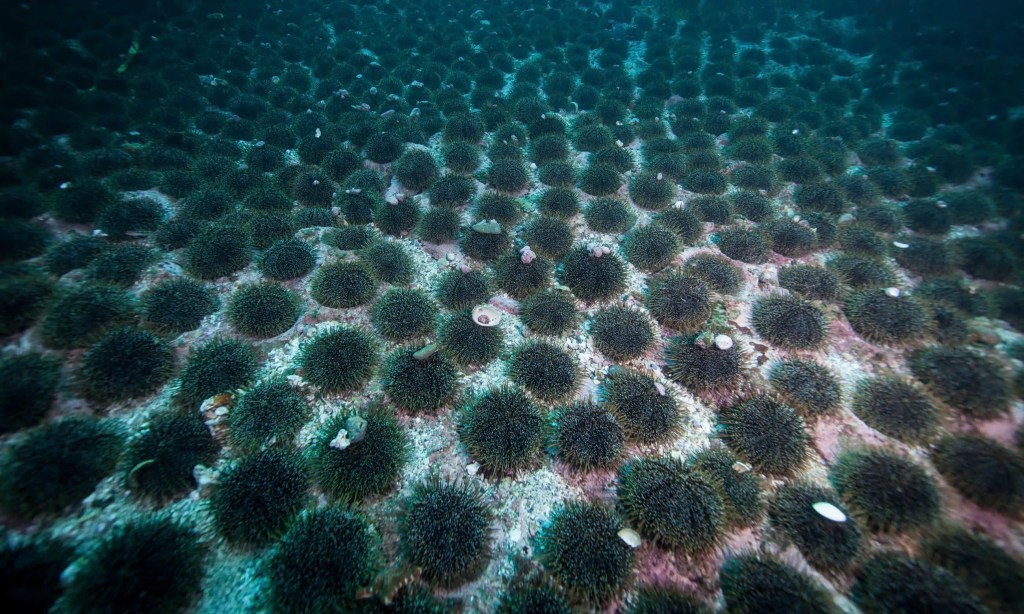
In February 2024 fisheries minister Shane Jones made proposals to control kina barrens. Fast forward to July 2024 and the daily bag limit for kina in SNA1 was raised from 50 to 150 kina/person/day. No doubt this is a step in the right direction but is it the best way to combat kina barrens?
Background
A kina barren is an area where kina have overgrazed on kelp and other algae, creating a barren habitat. In short humans have created an ecosystem imbalance, by reducing the number of predators of kina to extremely low numbers we have allowed them to increase exponentially.
Kina predators:
- Rock lobsters
- Fish (snapper, blue cod, porae & wrasse)
- Octopuses
- 11-armed sea stars
Once kina get over a certain size they are only susceptible to predation by large rock lobsters and large snapper. Kina are rapacious feeders and mow down ecklonia radiata (common kelp) forests.
Benefits of ecklonia radiata:
- Store carbon
- Provide habitat and food for reef species
- Provide areas for spawning
- Provide nursery habitat for juvenile fish
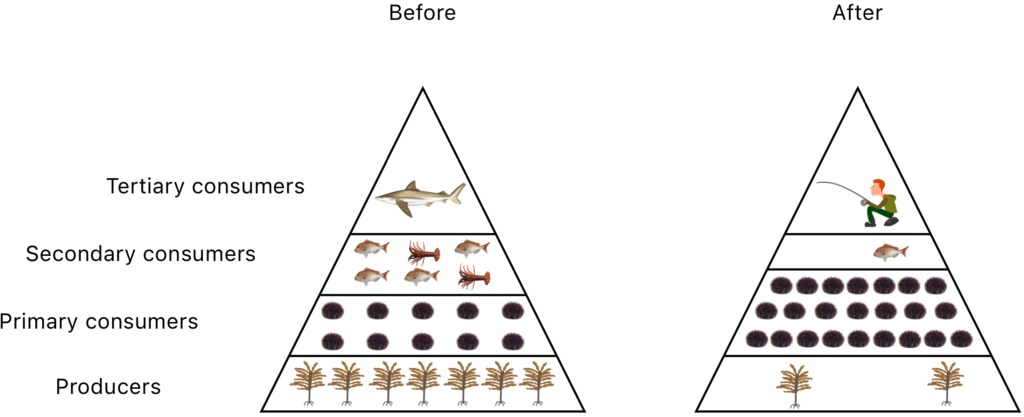
Regarding the ecological imbalance, Shane Jones said there was no plan to limit killing big snapper or crayfish because research showed they were in abundant supplies in the wild. For reference, in 2016 the conservation status of crayfish in the Hauraki Gulf was ‘functionally extinct’.
Why raising the bag limit won’t work
Raising the bag limit of kina is a reactive measure, it addresses the symptom by actively managing kina numbers rather than addressing the root cause of kina barrens, which is the overfishing of kina predators. Removing kina is effective but is not a viable solution as it doesn’t address the underlying cause of the issue. It can be likened to the plastic issue, recycling is good but the optimal solution would be to stop taking oil out of the ground.
The optimal solution
The proactive and best way to combat kina barrens is to stop killing their main predators (big snapper and crayfish). This seems clear and obvious, reducing the TAC (Total allowable catch) of crayfish or introducing maximum take lengths of snapper are two of a handful of solutions. Here’s the difference:
- Decreasing the TACC (Total allowable commercial catch) on crayfish loses revenue
- Increasing the recreational kina take does not lose revenue
It is pretty obvious where the governments/MPI’s priorities are, which begs the question can you put a price on for health of our ocean? The proposed changes are designed to maximise economic returns for company shareholders, with the marine environment once again being an afterthought
Can’t we generate revenue from these kina?
There is big demand for kina roe worldwide, the problem with trying to harvest kina from kina barrens is that the kina present in these areas are often malnutritioned due to the lack of kelp and hence don’t contain the highly sought after thick roe. However there are a handful of companies worldwide who are trialling ways to make profit from kina inside these barrens, these include Urchinomics and Envirostrat (NZ).
Centrostephanus invasion
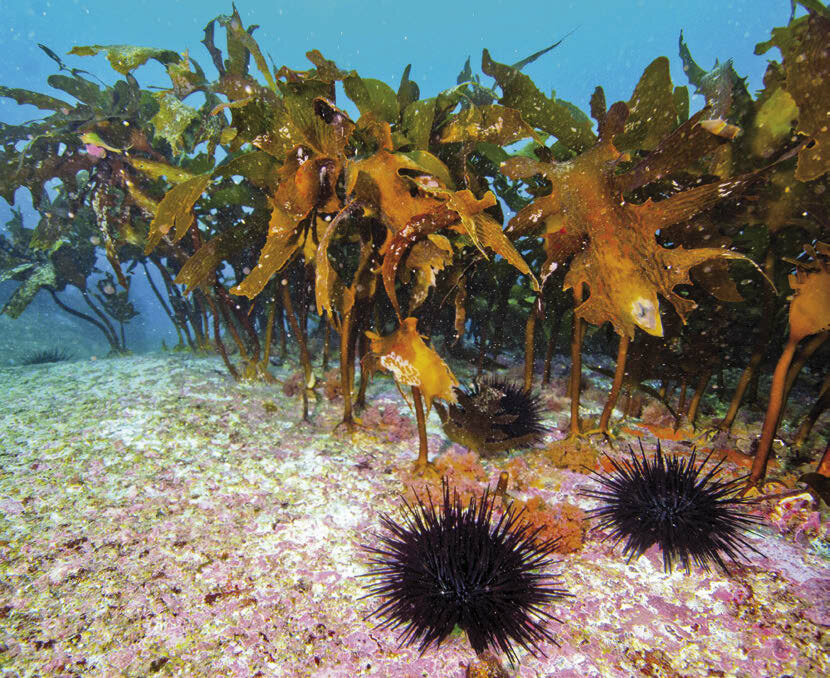
More alarmingly climate change and warming waters is seeing the more tropical centrostephanus (long-spined sea urchin) start to creep down the country. This species of urchin has an even larger spine and the only known predators are packhorse lobster and crayfish (not snapper). Unfortunately they are just as effective at mowing down kelp forests.
What can recreational fishermen do?
Recreational fisherman have a big part to play in this, release big snapper and leave the crayfish alone. These days a photo of someone holding up two 10lb+ snapper would cause uproar but someone holding two crayfish gets applauded, crayfish are just as important as big snapper in combating kina barrens.
 Eco Fishing NZ